Fast, Flawless, Forward: NAOT Kenya and Ottobock Introduce Game-Changing Amparo Socket Technology to Kenya
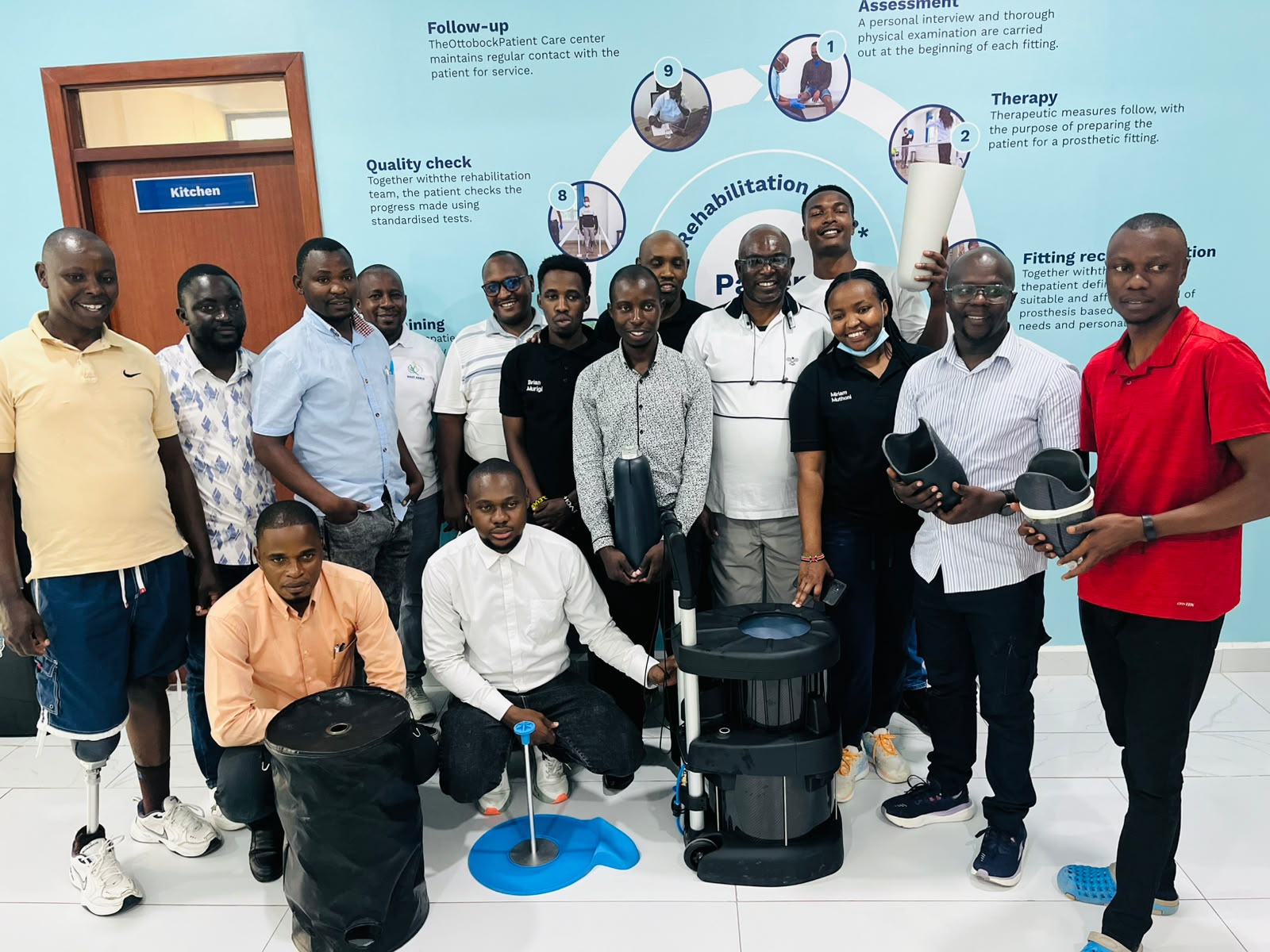
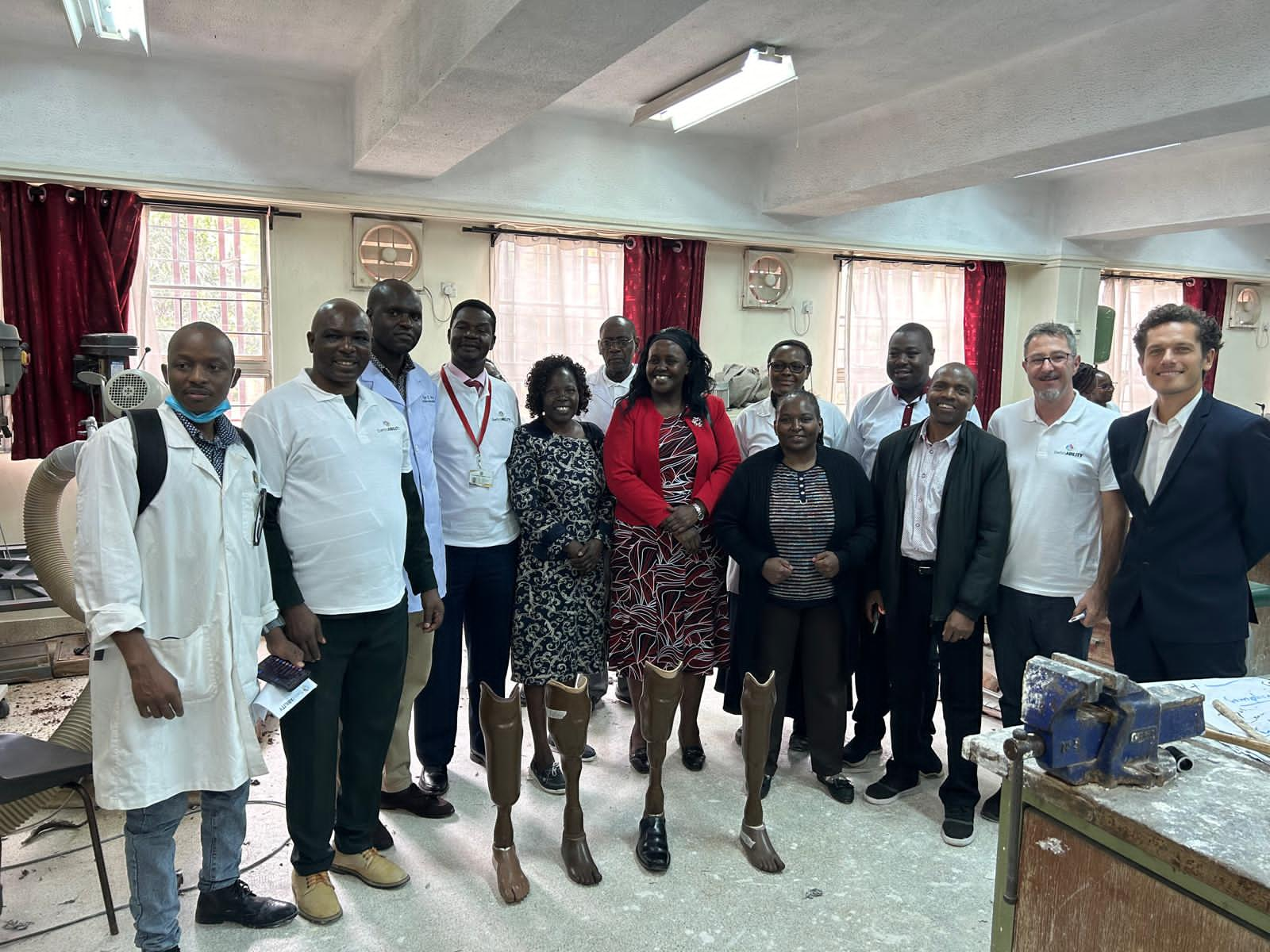
Nairobi, Kenya — In a landmark move for Kenya’s rehabilitation sector, Ottobock, in conjunction with prosthetists and orthopaedic technologists drawn from selected facilities across the country, recently concluded a groundbreaking capacity-building session. This intensive training aligned perfectly with Global Prosthetics and Orthotics Day, echoing its powerful theme: “The People at the Center of Care” — a fitting tribute to the professionals who restore mobility and the patients whose lives are transformed.
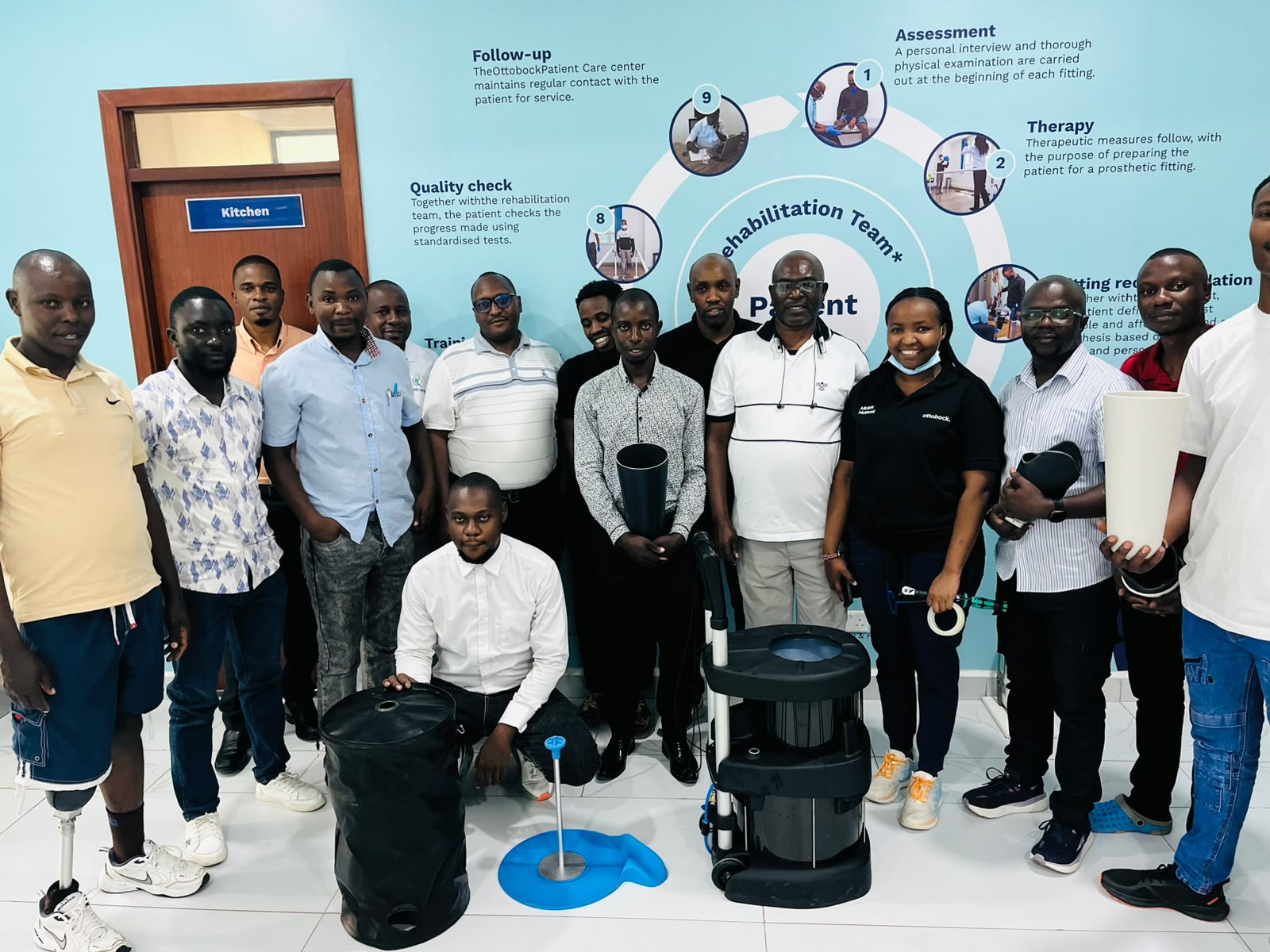
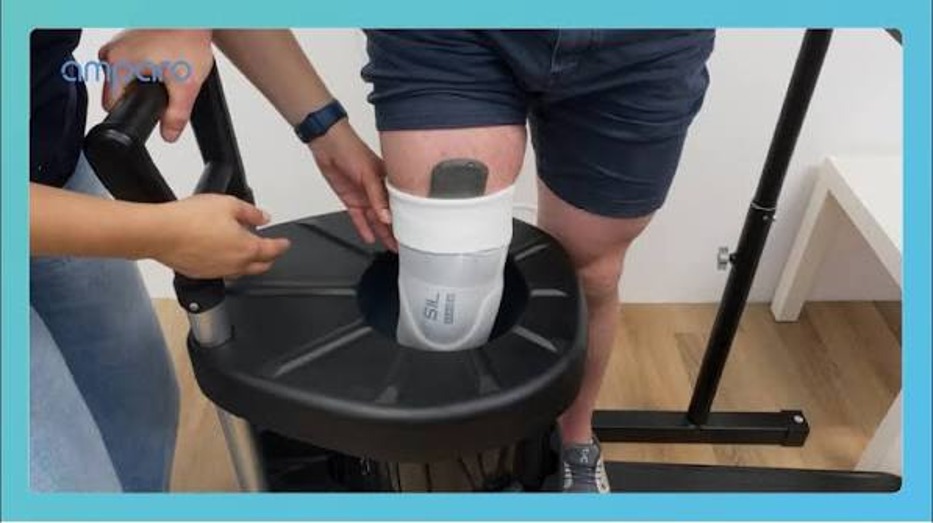
Led by Ottobock prosthetist Moses Gitonga, the cohort was taken through dynamic theoretical and practical sessions focused on the Amparo socket technology using the innovative Majicast equipment. The true impact of the training was witnessed firsthand when two patients were fitted using the new system and took their very first steps, achieving full mobility in less than an hour.
A Global Game-Changer Enters the Kenyan Market
This hydrostatic shape-capture system is radically redefining prosthetic timelines. Already widely utilized in Italy, Germany, Ukraine, and Gaza — where rapid, reliable prosthetic care is highly critical — the entry of Amparo technology into the Kenyan market is an absolute game-changer.
By eliminating messy plaster casting, sockets are fabricated in less than 20 minutes, turning weeks of waiting into a single, streamlined clinic visit. The Amparo socket technology lineup showcased during the training included:
- Trust Socket — A highly adaptable and remoldable test socket for rapid shape capture.
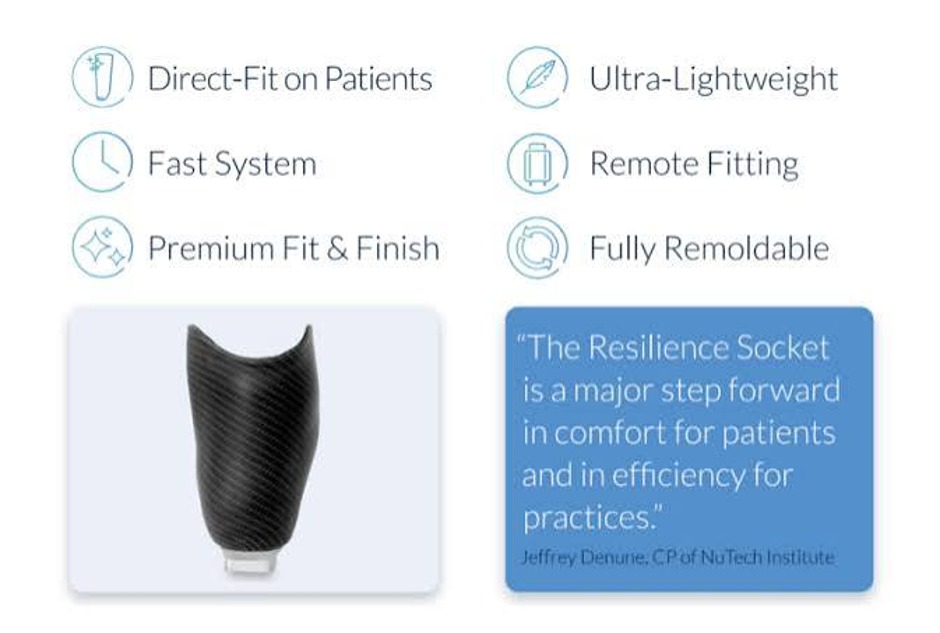
- Resilience Socket (S and M) — The definitive, direct-fit socket engineered for long-term durability.
- Paediatric Sockets — Specially designed for active children, these are made out of ultra-lightweight, low-temperature thermoplastic with Kevlar and carbon reinforcement, ensuring they are robust and can be remolded multiple times to accommodate growing limbs.
Universal Compatibility and Component Integration
While the Amparo system features its own highly efficient proprietary shuttle lock for secure suspension, its design champions universal modularity. It integrates flawlessly with premium Ottobock components and is fully compatible with other prosthetic technologies and brands across the industry. The sockets easily accommodate:
- Pin and Lock Systems — Utilizing Amparo’s own shuttle lock or integrating with universal systems like the Ottobock MagnoFlex Lock for secure distal fixation.
- Liners Without Pin — Standard cushion liners designed for friction-based or vacuum suspension.
- Soft Inserts — For patients requiring extra tissue protection and cushioning.
- One-Way Valves — Fully compatible with advanced active vacuum systems like the Ottobock Harmony or standard expulsion valves.
To connect the socket to the prosthetic limb, the system utilizes standard European four-hole configurations. Professionals can reliably mount Ottobock socket adapters (like the 4R89 or 4R77 Titanium adapters) and tube adapters (such as the 2R50 Aluminum or 2R57 Titanium tube adapters), alongside other universal components, ensuring a robust, lightweight prosthesis tailored to the patient’s specific activity level.
The 4-Step Fabrication Process
As prescribed by Ottobock and demonstrated by Gitonga, the Amparo fabrication stages are highly efficient and patient-centered:
- Residual Limb Preparation — The patient’s residual limb is evaluated, and the appropriate silicone or gel liner is donned.
- Heating the Socket — The remoldable Amparo socket is heated in a specialized dry oven until the thermoplastic material becomes pliable.
- Positioning on Majicast for Hydrostatic Fitting — The patient places their limb into the heated socket and steps into the Majicast cylinder. This creates a hydrostatic weight-bearing environment, molding the socket perfectly to the natural shape of the limb under full body weight.
- Removing and Finishing — Once cooled and solidified (within minutes), the socket is removed, trim lines are cut, edges are smoothed, and the Ottobock adapters are attached. The prosthesis is aligned, and the patient is ready to walk.
Financing the Future of Prosthetics
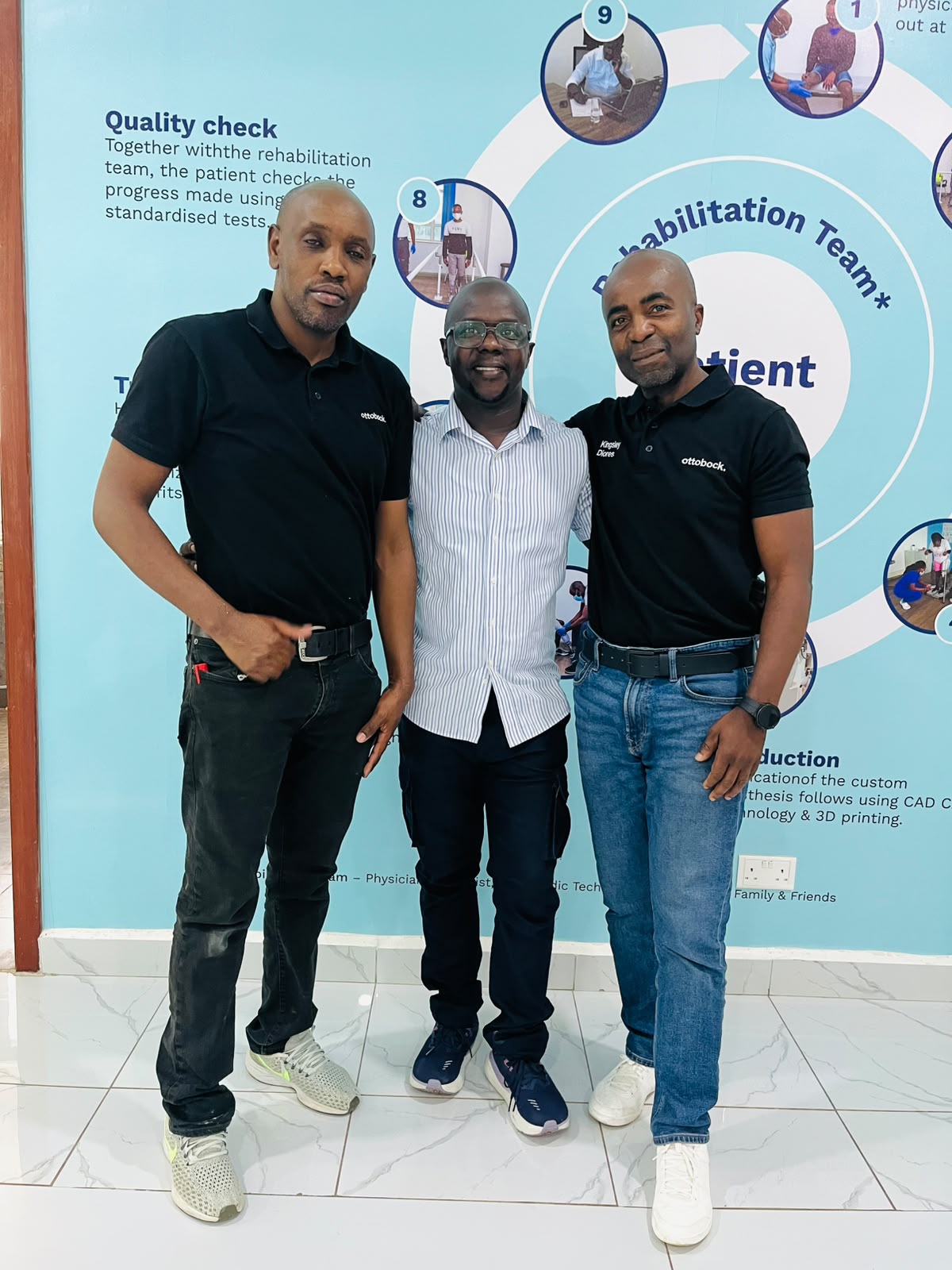
Adopting high-end technology requires structural and financial support. Speaking during the session, Ottobock Regional Manager Kingsley Deoris affirmed his unwavering commitment to working with NAOT Kenya to upscale local capacity. To make this accessible, Ottobock is currently in active discussions with leading financial institutions in Kenya to establish sustainable funding models. This will empower local professionals and clinics to invest in the Majicast equipment.
Furthermore, innovation in this space continues to evolve; research is currently ongoing to apply a similar direct-fit concept for Transfemoral (TF) sockets.
Closing Remarks
Speaking during the closing ceremony, NAOT Kenya President Mr. Emmanuel Mayakah Onduso thanked Ottobock for organizing the transformative training and wished all attendees a Happy World Prosthetics and Orthotics Day. He commended Ottobock for the pivotal role they continue to play in improving access to prosthetic care and upscaling professional capacity across the region.
With partners like Ottobock and the dedication of our local professionals, the future of prosthetics in Kenya is bright, fast, and fiercely innovative. We are ensuring that our clinicians are equipped with the best tools, and our patients are walking sooner than ever before.

More articles by this author
Empowering Mobility: WHO-Accredited Wheelchair Service Training Coming to Nairobi in August
Motivation-Kenya set to conduct a wheelchair service training for orthopaedic technologists, physiot...
Kenya Gearing Up for Low-Cost Prosthetic Technologies
Kenya is set to embrace practical, cost-effective prosthetic systems such as Instalimb, Monolimb, an...
NAOT Kenya Mourns the Loss of Elizabeth Mueni Mung'aithi, Laid to Rest in Wamunyu
Elizabeth Mungaithi, the Nairobi County Chief Orthopedic Technologist and former NAOT-K National Tre...
Comments