NAOT-Kenya Joins Multi-Agency Delegation to Benchmark KISE Assistive Devices Factory
NAIROBI, KENYA | 22 OCTOBER 2026
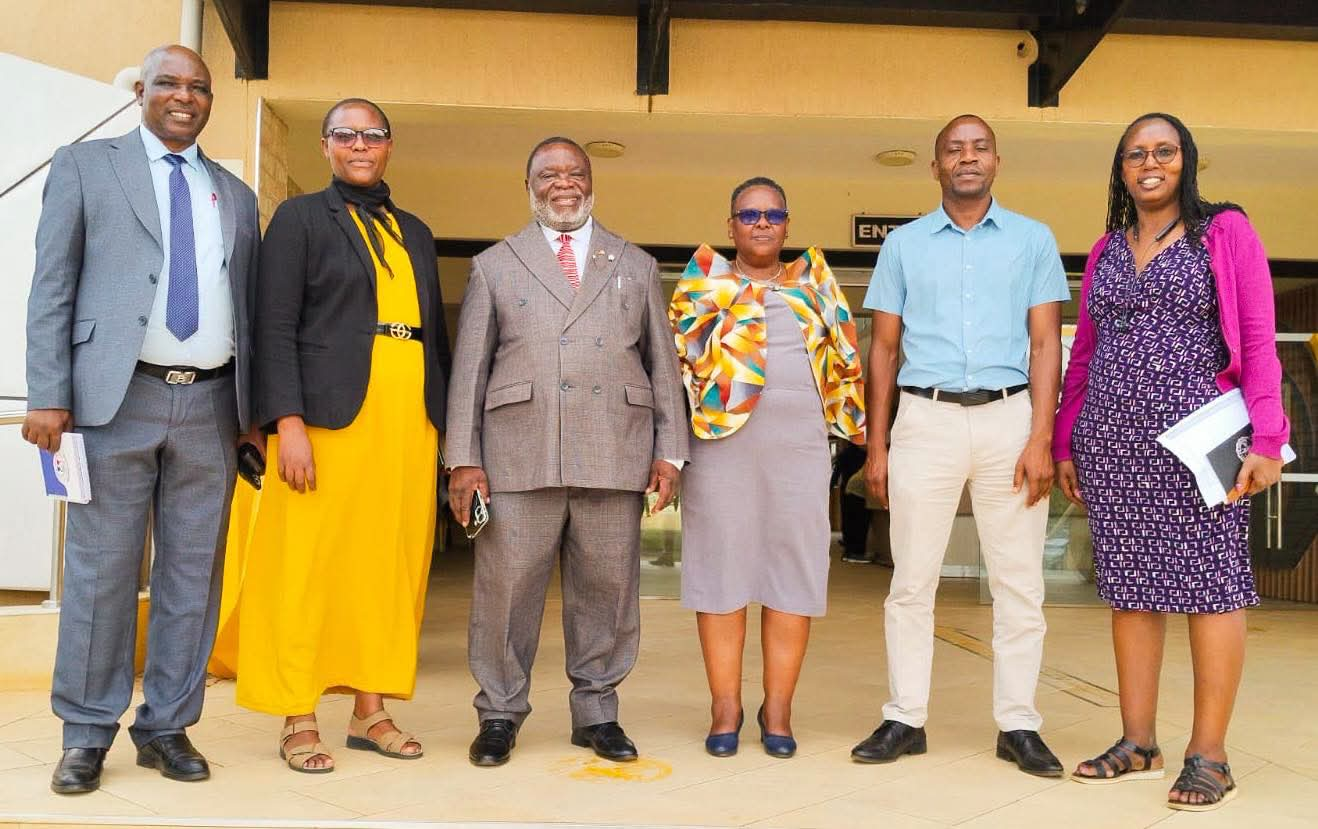
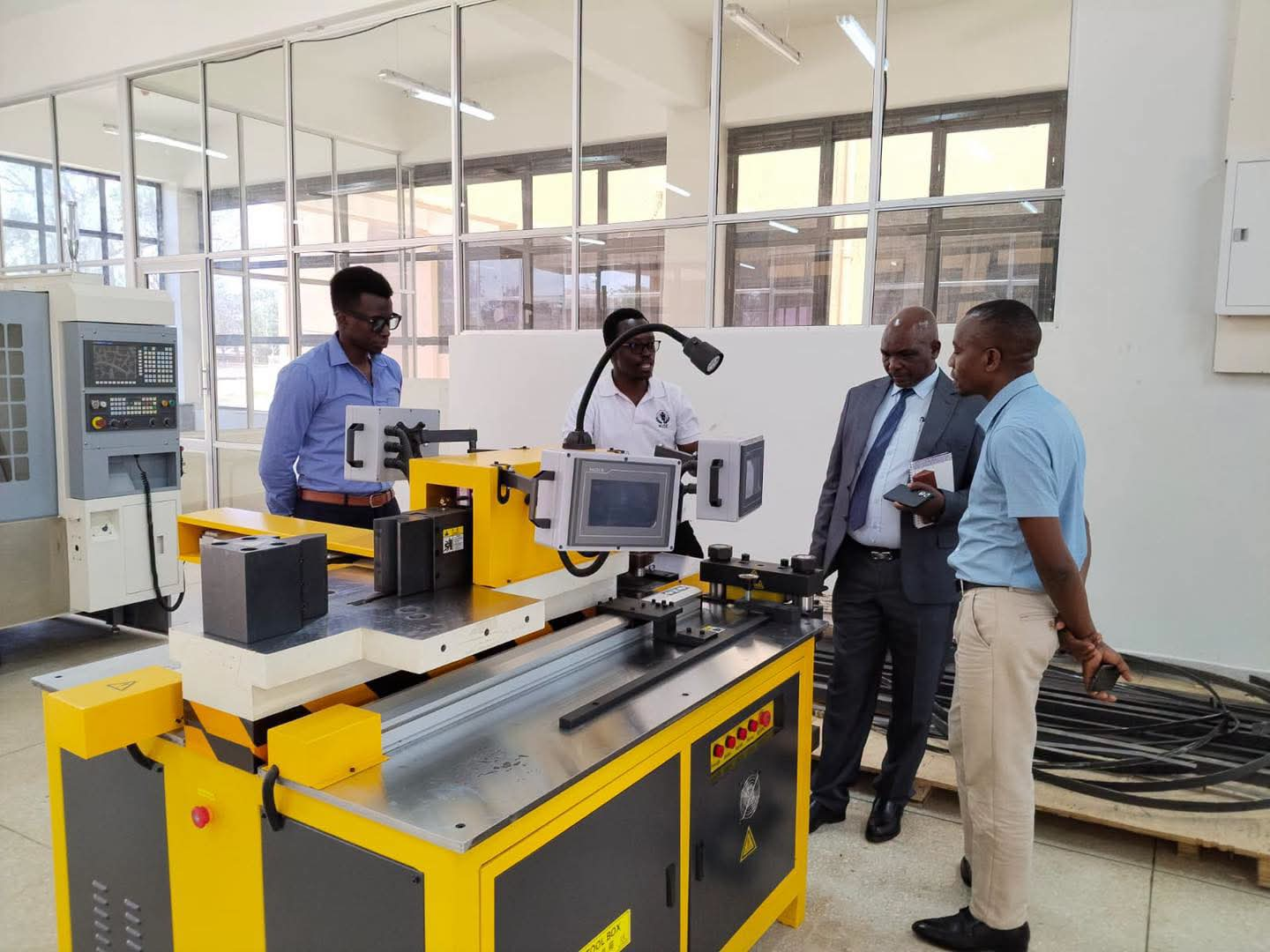
The National Association of Orthopaedic Technologists of Kenya (NAOT-Kenya) has joined a multi-agency delegation comprising representatives from the Ministry of Health, Kenya Medical Training College (KMTC) and Kenyatta National Hospital (KNH) for an official benchmarking visit to the Kenya Institute of Special Education (KISE) Assistive Devices Factory in Nairobi.
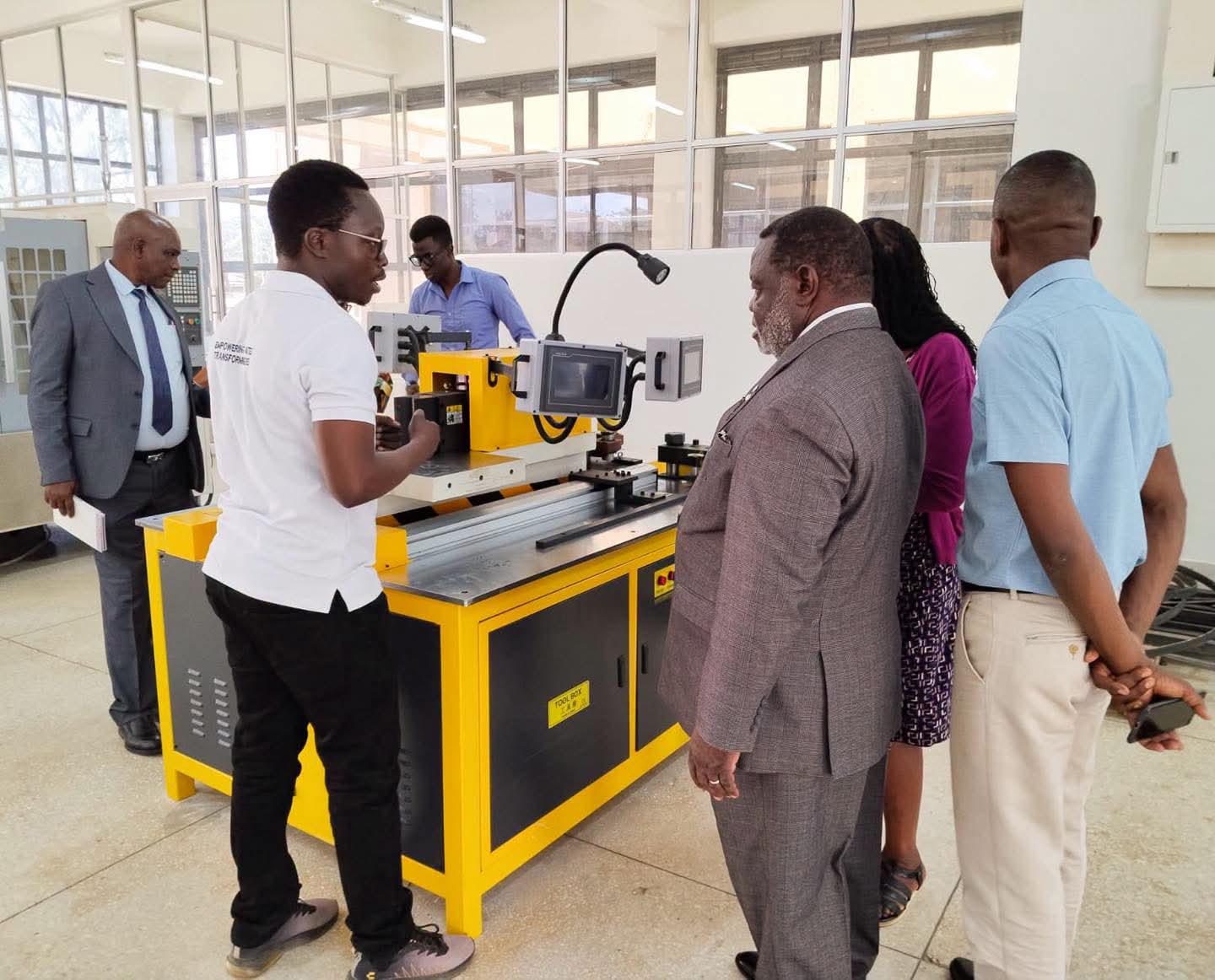
The visit provided an opportunity for the participating institutions to assess progress at the facility, engage with its technical personnel and gain first-hand insights into its production capabilities, manufacturing processes and potential contribution to Kenya’s assistive technology sector.
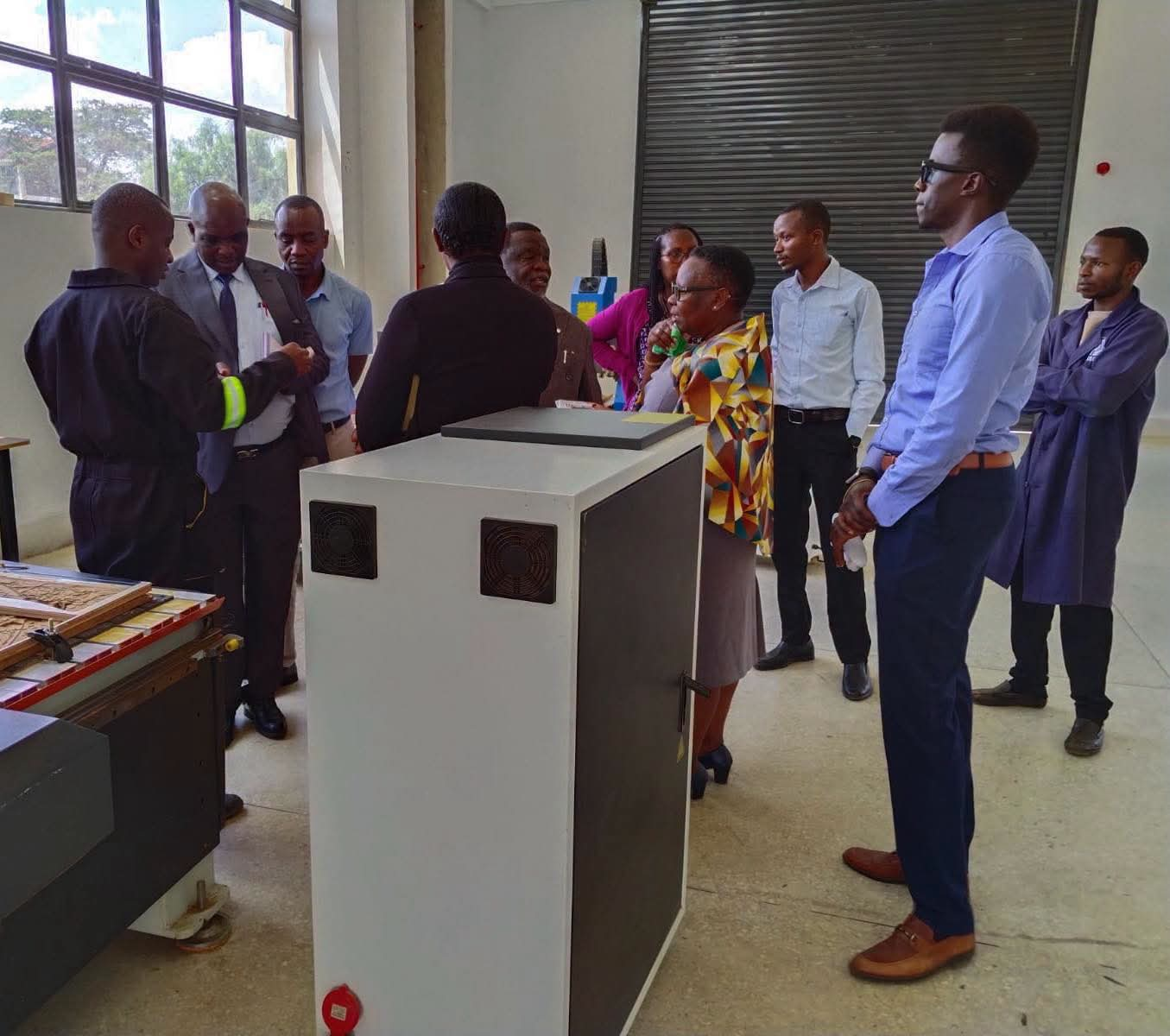
The KISE Assistive Devices Factory is a strategic national initiative aimed at strengthening local capacity for the design, production, assembly and repair of assistive devices. Its establishment represents an important step towards reducing reliance on imported assistive products, improving affordability and developing solutions that respond to the needs and realities of Kenyan users.
Among the products targeted for local production are mobility aids, specialised learning equipment and communication support devices. The facility is also expected to support the development of customised solutions for persons with disabilities and learners with special educational needs.
Strengthening Local Manufacturing and Access to Assistive Technology
For Kenya, expanding local assistive technology manufacturing presents an opportunity to address persistent challenges surrounding the availability, affordability and accessibility of assistive products.
Many persons with disabilities continue to encounter barriers in accessing appropriate assistive devices, including high costs, limited availability, long waiting periods and inadequate access to maintenance and repair services.
Local production could help address some of these challenges by encouraging context-appropriate innovation, improving product availability, strengthening supply chains and creating opportunities for technical skills development.
However, effective assistive technology provision extends beyond manufacturing. It requires a coordinated system encompassing individual needs assessment, appropriate product selection, prescription, fitting, user training, follow-up, maintenance and repair. The involvement of rehabilitation professionals and other technical specialists is therefore essential in ensuring that products are not only available but also appropriate, functional and responsive to users’ needs.
Role of Orthopaedic Technology in the Assistive Technology Ecosystem
NAOT-Kenya’s participation in the visit underscores the importance of involving Orthopaedic Technologists in national conversations and initiatives aimed at strengthening assistive technology services.
Orthopaedic Technologists play a central role in the provision of prostheses, orthoses and mobility-related assistive products through clinical assessment, prescription, design, fabrication, fitting, maintenance and follow-up.
Their technical expertise is particularly important in ensuring that assistive products meet individual functional requirements, promote mobility and independence, and support the meaningful participation of persons with disabilities in society.
As Kenya expands its local manufacturing capacity, collaboration between manufacturers, rehabilitation professionals, training institutions and service providers will be critical in bridging the gap between product development and actual user needs.
Exploring Training, Research and Institutional Collaboration
Beyond manufacturing, the delegation explored opportunities for collaboration with institutions of higher learning, including Jomo Kenyatta University of Agriculture and Technology (JKUAT).
The proposed areas of collaboration include practical student training, industrial attachments, internships and exposure to assistive technology design, development and production processes.
Such partnerships could provide students with valuable opportunities to translate classroom knowledge into practical skills while exposing them to emerging manufacturing technologies, product innovation and multidisciplinary approaches to assistive technology development.
For training institutions such as KMTC, engagement with production facilities also presents an opportunity to strengthen the practical component of health and rehabilitation-related training and encourage closer links between academic programmes and industry.
Towards a Stronger National Assistive Technology System
The visit comes at a time when Kenya is seeking to strengthen its rehabilitation and assistive technology systems through policy development, workforce capacity building, local innovation and strategic partnerships.
The Ministry of Health’s Rehabilitative Services and Assistive Technology Strategy 2022–2026 provides an important policy framework for improving rehabilitation services and access to assistive products. Complementary national initiatives, including the proposed National Assistive Technology Centre of Excellence at JKUAT, further demonstrate the growing recognition of the need for a coordinated national approach.
The World Health Organization’s framework for improving access to assistive technology also emphasises five interconnected pillars: people, policy and financing, products, provision and personnel. This highlights why manufacturing initiatives must be accompanied by investments in skilled professionals, sustainable financing, appropriate service delivery systems and user-centred solutions.
For NAOT-Kenya, engagement in such initiatives is an important opportunity to contribute professional expertise, strengthen institutional partnerships and advocate for greater recognition of Orthopaedic Technology within the country’s broader rehabilitation and assistive technology agenda.
Ultimately, the success of local manufacturing initiatives should be measured not only by production capacity but also by their ability to translate into increased access to appropriate, quality and affordable assistive products for Kenyans who need them.
Through continued collaboration between government institutions, training establishments, rehabilitation professionals, manufacturers and other stakeholders, Kenya can move closer to building a sustainable assistive technology ecosystem that promotes independence, dignity and inclusion for all.

More articles by this author
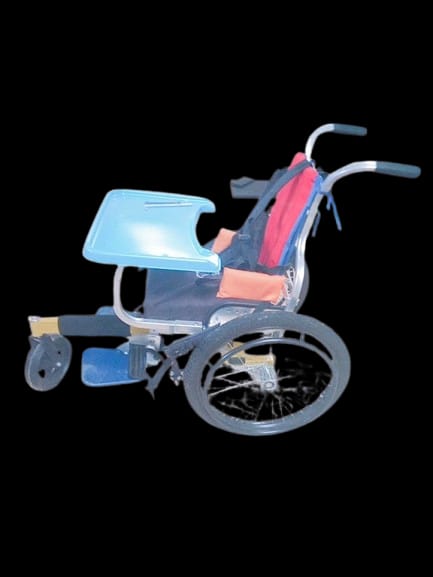
Empowering Mobility: WHO-Accredited Wheelchair Service Training Coming to Nairobi in August
Motivation-Kenya set to conduct a wheelchair service training for orthopaedic technologists, physiot...
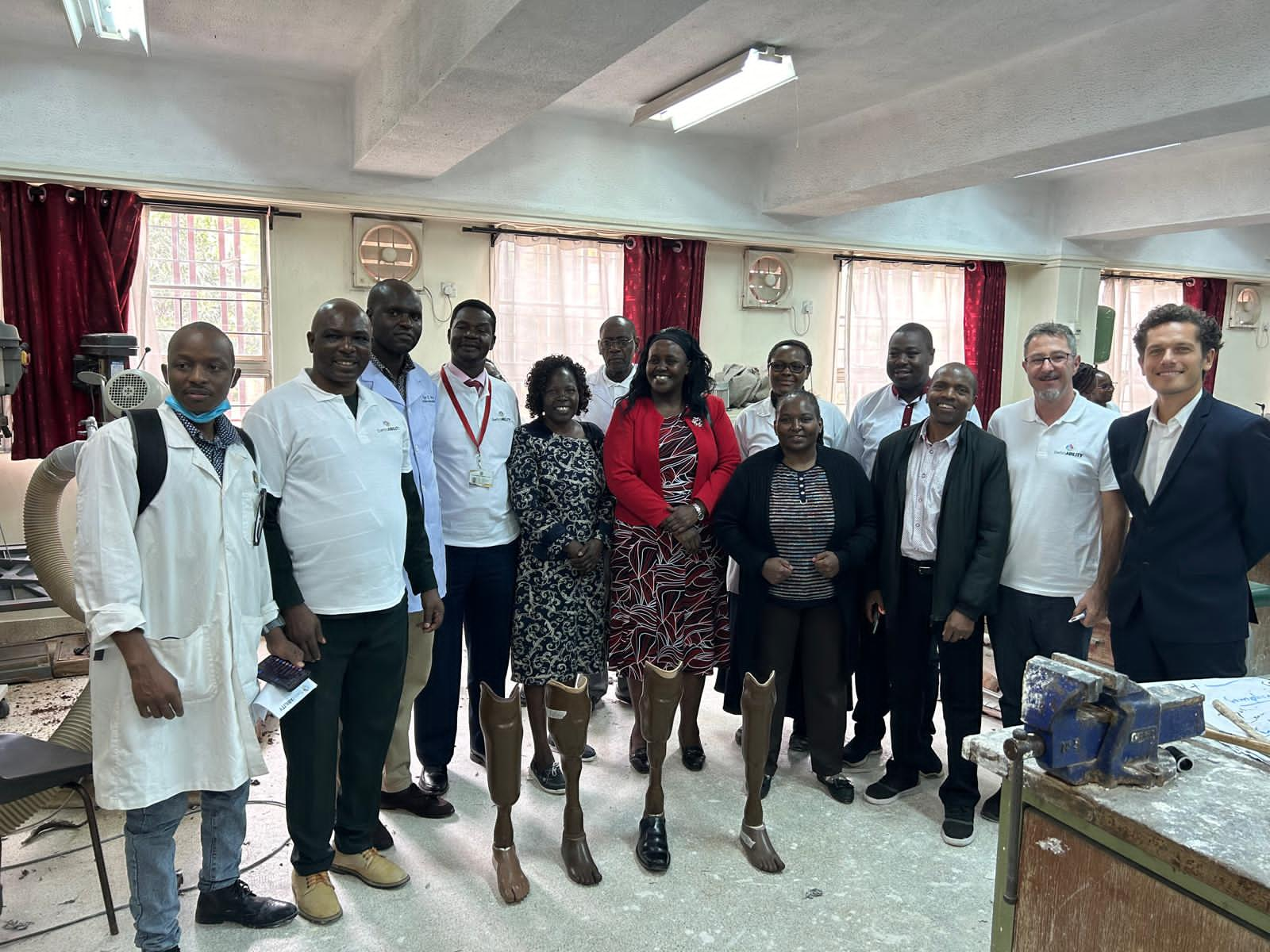
Kenya Gearing Up for Low-Cost Prosthetic Technologies
Kenya is set to embrace practical, cost-effective prosthetic systems such as Instalimb, Monolimb, an...
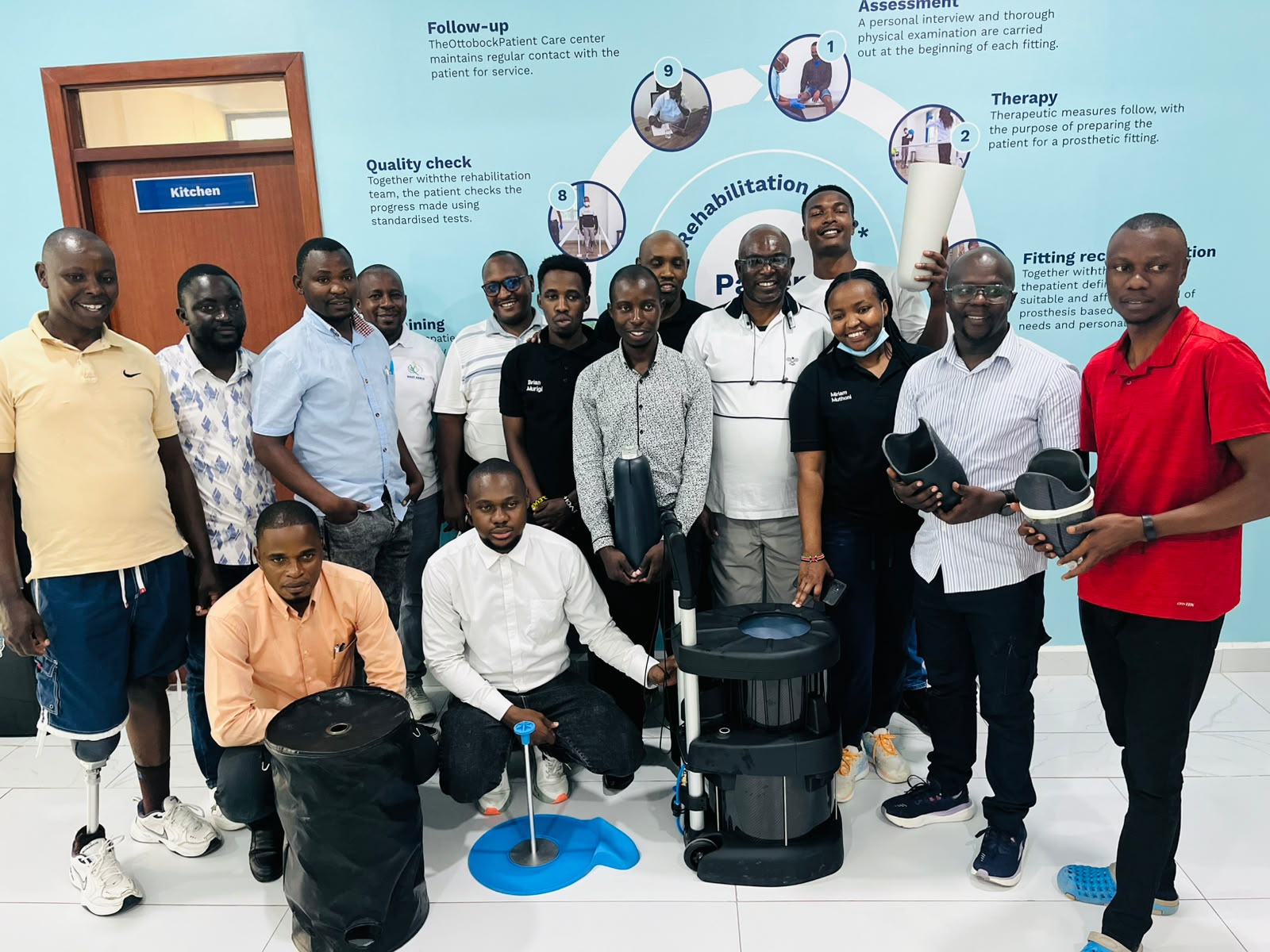
Fast, Flawless, Forward: NAOT Kenya and Ottobock Introduce Game-Changing Amparo Socket Technology to Kenya
In a landmark move for Kenya's rehabilitation sector, Ottobock, in conjunction with prosthetists and...
Comments