The Invisible Professional: Why Orthopaedic Technologists Remain Under-Recognized in Kenya’s Health System
Every functioning health system has professionals whose work is immediately visible—doctors who diagnose, nurses who administer care, surgeons whose interventions save lives.
Yet there are others whose impact is just as critical, but whose names, roles, and expertise remain largely unknown.
In Kenya’s health system, Orthopaedic Technologists (also known as Prosthetists and Orthotists (P&O)) are among the most invisible professionals, despite being directly responsible for reducing pain, restoring mobility, dignity, and independence for millions of people across the country. Through professional advocacy platforms such as the National Association of Orthopaedic Technologists of Kenya, this reality is slowly being challenged—but the gap remains wide.
This invisibility is not accidental. It is systemic. And it is costing patients, counties, insurers, and the national health system far more than we are willing to admit.
A Profession Hidden in Plain Sight
Most Kenyans encounter an Orthopaedic Technologist only after life has dramatically changed. This could always be after an amputation, a serious injury, a congenital limb difference, stroke, or a chronic musculoskeletal condition. At that moment, the prosthesis, orthosis, brace, or mobility aid becomes central to recovery and independence.
But ask who assessed, designed, fabricated, aligned, and fitted that device, and the answers are always revealing; “a doctor,” “a fundi,” “a physio,” “mkarabati,” “an orthopaedician,” “an OT,” “an orthopaedist,” or “mtu wa APDK.”
Rarely is the correct professional named and this confusion is not harmless. It reflects a deeper institutional failure. Besides, some of these terms depict that orthopaedic technologists, orthotists, and prosthetists are non-professionals.
Orthopaedic Technology is poorly understood not only by the public, but also by policymakers, hospital administrators, and insurers whose decisions directly shape patient outcomes, staffing norms, financing, and safety. Even within rehabilitation services highlighted on the NAOT Kenya services page, the profession’s scope is often underestimated.
When Professional Invisibility Becomes a Patient Safety Issue
Under-recognition is often framed as a professional grievance. It is seen as if it is Orthopaedic Technologists who lose when they are ignored. This is not the case.
In reality, it is a patient safety and health systems failure because when a country sidelines its mobility specialists, it cannot credibly claim progress toward Universal Health Coverage or global health goals.
Across Kenya, well-meaning but misplaced practices have become normalized:
- A physiotherapist prescribes and delivers an arch support without assessing foot type, lower-limb biomechanics, or load distribution
- A pharmacist, clinician, or supplier provides a wheelchair without considering proper sizing, postural supports, pressure relief, or long-term use
- An occupational therapist issues a crutch without correct height adjustment or arm-rest positioning
The list is endless.
Of course, the above actions are rarely malicious. They occur because the system has failed to clearly define, protect, and enforce professional roles.
The consequences, however, are real and costly:
- Persistent pain and secondary injuries
- Device discomfort, misuse, or abandonment
- Repeat hospital visits and delayed recovery
- Increased long-term costs for patients, insurers, counties, and the national government
While the immediate impact is on the user, the long-term burden is borne by an already strained national health system.
The High Cost of Under-Recognition
1. Policy Blind Spots
Because Orthopaedic Technologists are largely absent from decision-making spaces, assistive technology is still treated as optional, charitable, or supplementary, rather than as essential healthcare.
As a result:
- Prosthetics and orthotics are weakly integrated into UHC benefit packages
- Public, faith-based, and private hospitals lack clear staffing norms
- Prosthetic & Orthotic infrastructure remains underfunded, poorly planned, and poorly maintained
Mobility restoration is not a luxury service. Treating it as such is a policy failure that should be looked into by all of us.
2. Defined Skills, Blurred Identity
Orthopaedic Technologists are trained, certified clinical professionals. They collaborate with doctors, surgeons, physiotherapists, nurses, occupational therapists, and other health professionals to provide preventive, corrective, and rehabilitative care.
Yet in many facilities, they are mislabeled as “technical staff,” “watu wa workshop,” or absorbed into vague “rehab” categories. This misnaming ignores the reality that Orthopaedic Technologists:
- Conduct clinical assessments for conditions such as clubfoot, stroke-related impairments, spinal injuries, limb deformities, and congenital malformations
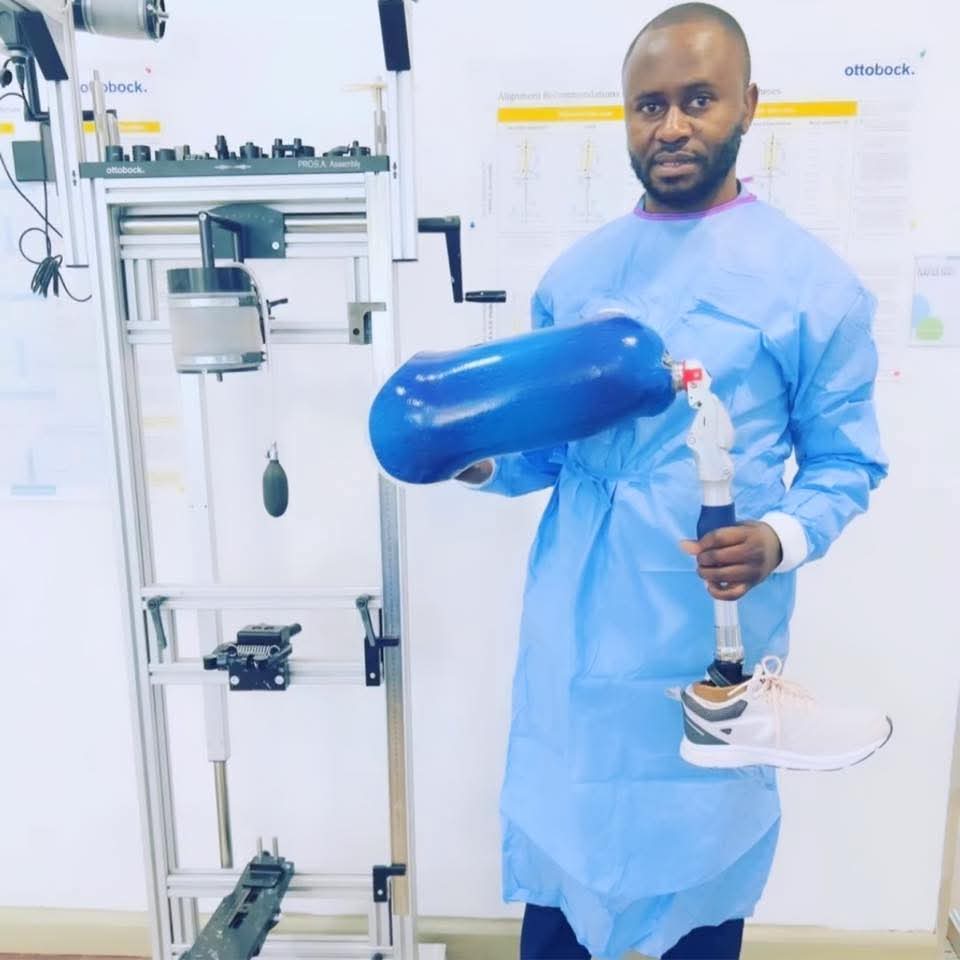
- Prescribe, design, fabricate, align, fit, and review prosthetic and orthotic devices
- Apply biomechanics, material science, and clinical reasoning in every clinical intervention
- Make decisions that directly affect patient safety, function, and long-term outcomes
As a country, Kenya is burdened,by road traffic injuries, diabetes, stroke, and congenital conditions, thus the role of orthopaedic technologists is indispensable. This identity erosion weakens accountability and enables unsafe task-shifting.
Why This Invisibility Persists
A Charity-Dominated History
Orthopaedic Technology in Kenya developed largely through mission and donor-led programs. For example, more than 90% of top prosthetic & orthotic labs in the country were built and equipped through donor funding.
While lifesaving, this history unintentionally framed prosthetics and orthotics as aid rather than as professional healthcare services.
Weak Regulation and Enforcement
Kenya lacks a fully enforced, standalone regulatory framework for Orthopaedic Technologists. Without clear legislation defining scope of practice, licensing, and accountability:
- Professional boundaries remain blurred
- Unqualified practice goes unchecked
- Patients have no clear protection mechanism
Regulation is not about turf—it is about patient safety.
Limited Strategic Advocacy and Public Awareness
While they remain underutilized and sparsely distributed across the country, Orthopaedic Technologists have never been absent. They have been present—preventing disabilities, correcting deformities, minimizing pain, and restoring dignity—often under severe constraints and with minimal recognition.
What has alarmingly been missing is system-level acknowledgement and responsibility because for decades, Orthopaedic Technologists have focused on service delivery over visibility—resulting in impact without influence.
Employment and Career Challenges
Many counties treat the employment of Orthopaedic Technologists as a favor rather than a necessity. Posts are few or non-existent, career progression is unclear, and graduates face long delays in placement. Some employers wrongly assume one cadre can do “all rehab work,” with patients paying the price.
Training and Professional Development Gaps
While KMTC provides foundational training, gaps remain in advanced prosthetics, continuing education, mentorship, and specialization—limiting growth and retention.
A Direct Call to Action
National Government and Ministry of Health
Kenya must establish and enforce a clear regulatory and licensing framework for Orthopaedic Technologists, aligned with patient safety and UHC goals. An act of partliament(bill) and an elaborate scheme of service are key to this. Also, assistive technology and mobility restoration must be embedded in national health strategies, financing frameworks, and workforce planning—and not treated as peripheral services.
Insurance Providers (Public and Private)
Prosthetic and orthotic services must be recognized as medical necessities and not add-ons. Reimbursement should cover the full clinical pathway—assessment, design, fitting, alignment, follow-up, repair, and replacement—because outcomes depend on process, not just the device.
County Governments
Counties must recruit, deploy, and retain qualified Orthopaedic Technologists in public facilities, allocate budgets for rehabilitation services, and stop treating mobility care as donor-dependent. Decentralized healthcare cannot succeed without decentralized rehabilitation expertise.
Private and Faith-Based Hospitals
Orthopaedic Technologists must be integrated into multidisciplinary care teams. Unsafe task-shifting must end. Mobility restoration should be treated as a core clinical service, not an optional referral.
Visibility Is a Health System Requirement
Under-recognition of Orthopaedic Technologists harms patients first. Delays or poor-quality assistive technology can turn manageable conditions into permanent disabilities. For the health system, it means inefficiency, higher long-term costs, and overburdened clinicians. Economically, Kenya loses productive citizens.
Pic: Prorth Prosthetics
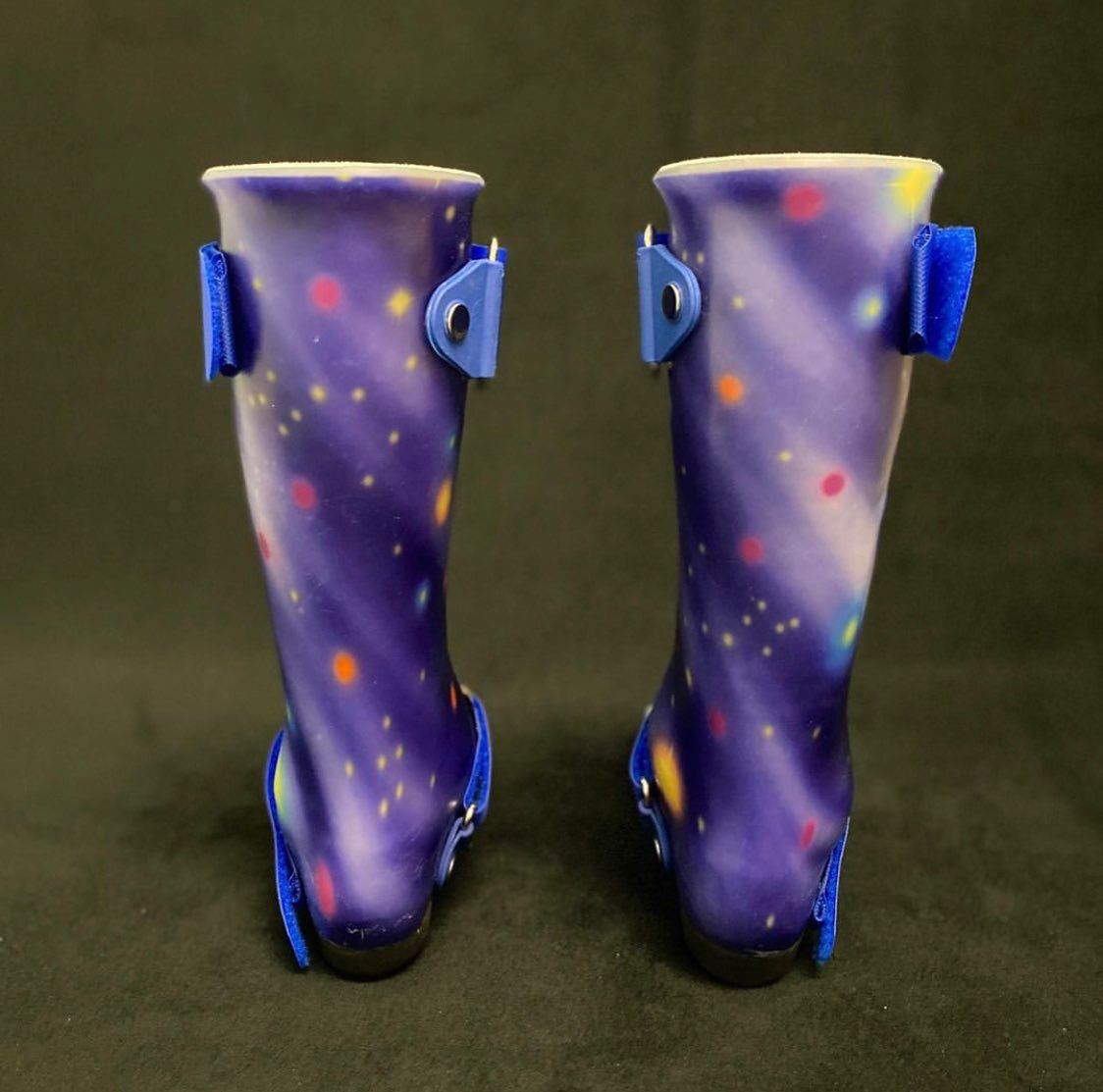
The new Persons with Disabilities Act, 2025 affirms the right to access assistive technology. Yet no institution is clearly mandated or resourced to enforce this right. Moreover, assistive technology is not only for persons with permanent disabilities—it is for anyone with injury, illness, or age-related mobility limitations.
If we live long enough, all of us will need mobility support. Thus, this invisibility problem concerns every Kenyan.
A health system that ignores the professionals responsible for mobility cannot claim to be inclusive, futuristic, efficient, or patient-centred.
Because mobility is not optional, and neither are the professionals who make it possible. The more this happens, the more the ordinary Kenyan will continue to pay the price.

More articles by this author
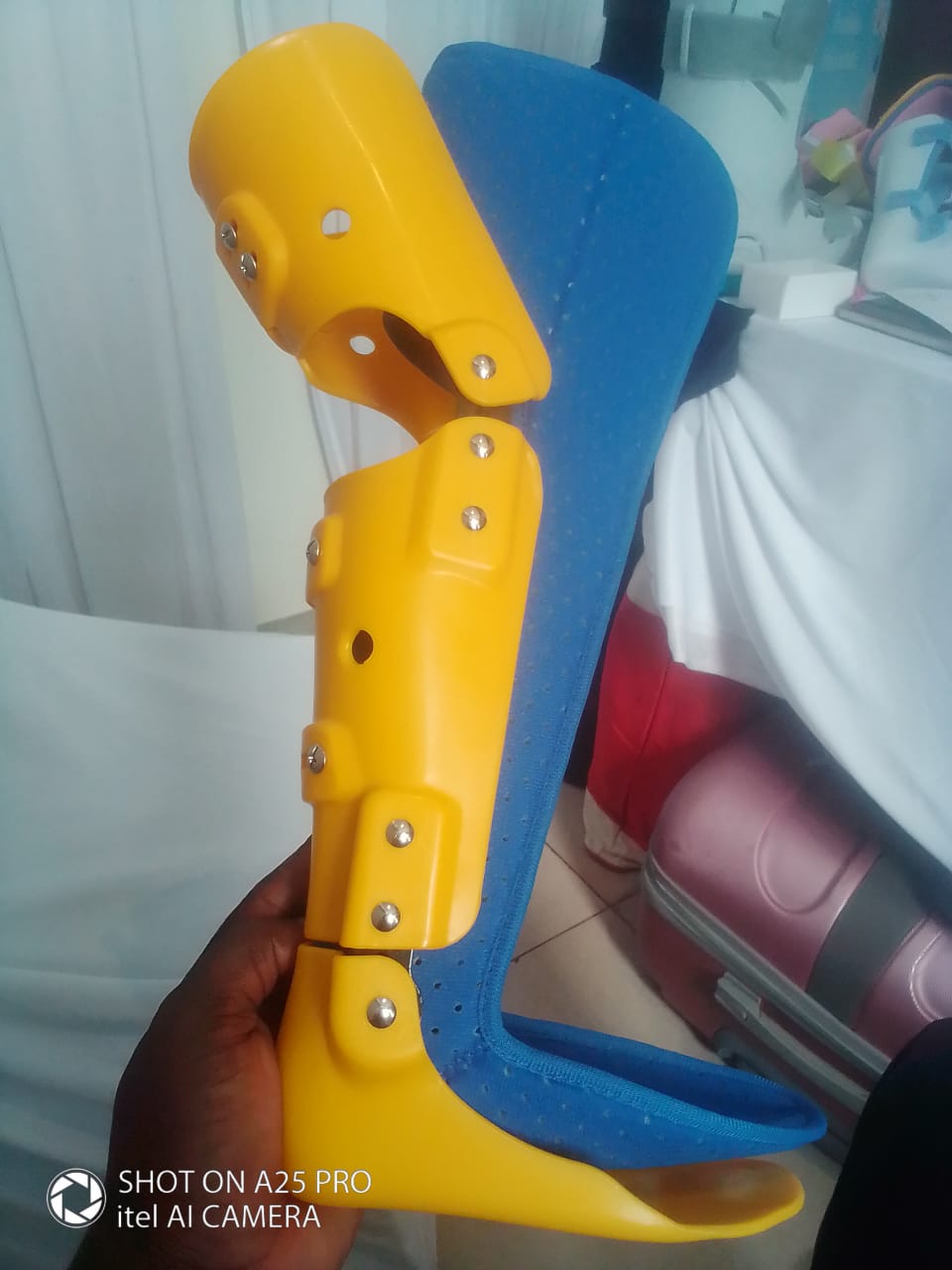
Custom-Made vs. Prefabricated Assistive Technology Devices: Everything You Need to Know
Assistive technology devices are clinical interventions, not accessories. This article explains the ...
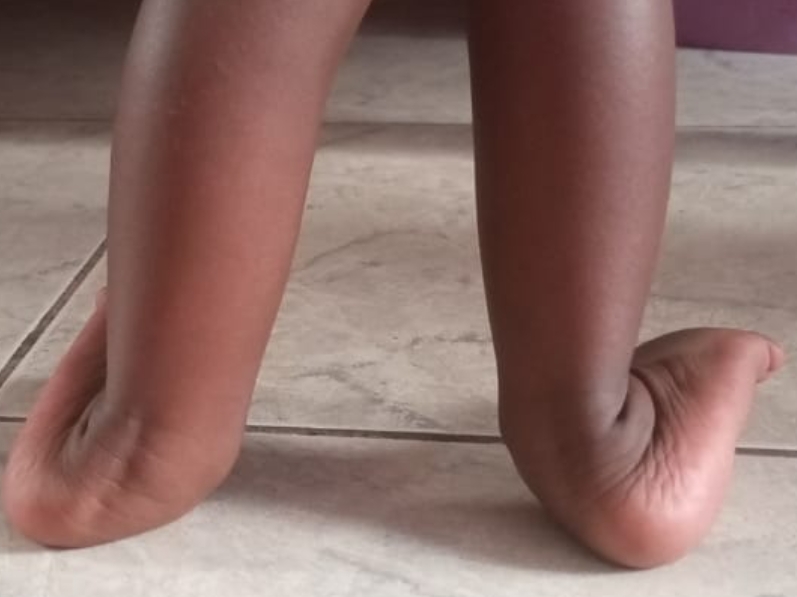
Rehabilitation: Medicine’s Forgotten Stepchild
Rehabilitation remains one of the most neglected pillars of healthcare in Kenya and East Africa. Thi...
Comments