
Custom-Made vs. Prefabricated Assistive Technology Devices: Everything You Need to Know
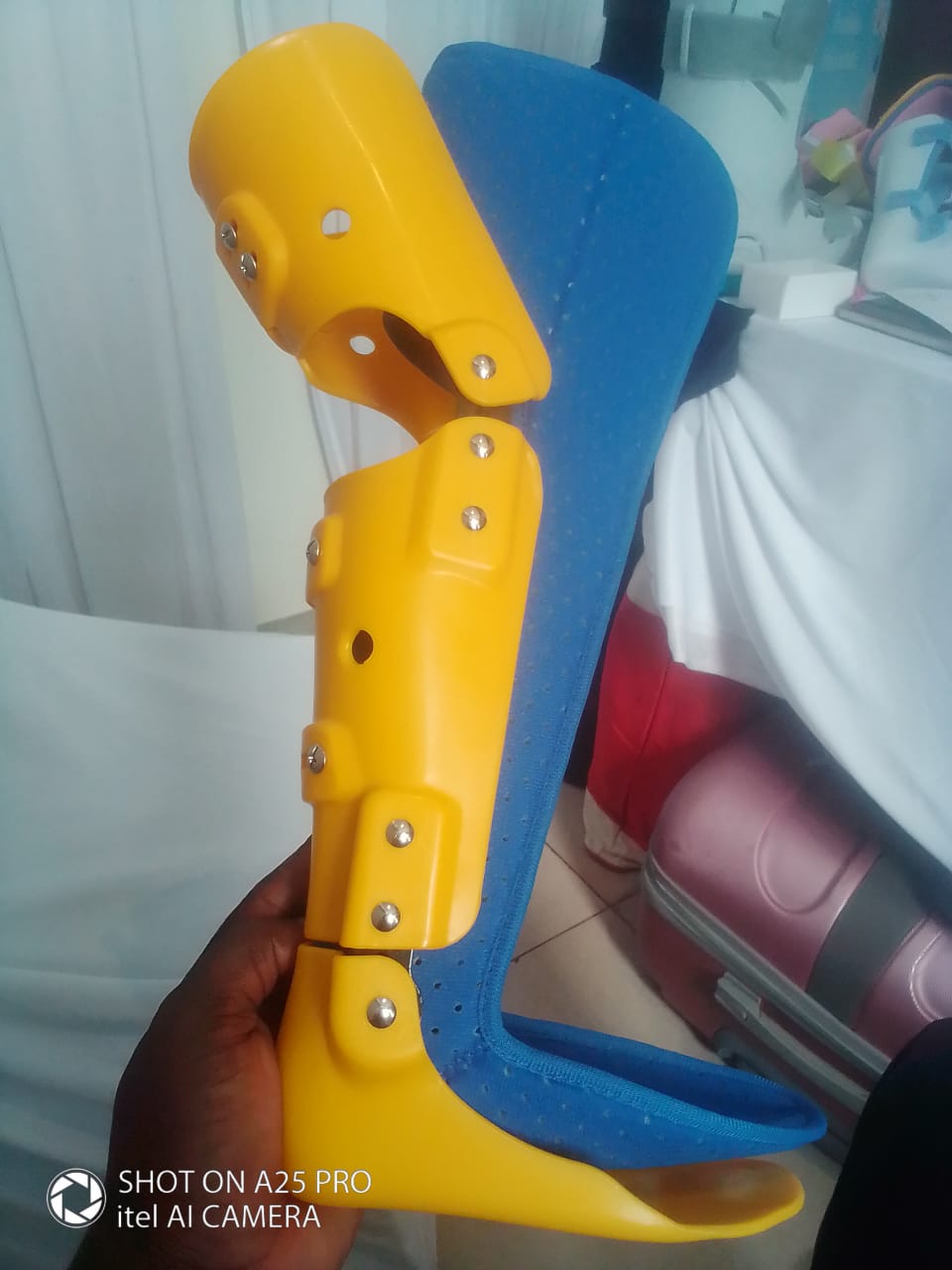
Assistive technology (AT) devices (orthoses, prostheses, seating systems, and mobility aids) are often treated as accessories in healthcare.
They are issued quickly, procured in bulk, and most often not categorized as medical equipment but as social welfare merchandise. Worse still, they are counted by numbers distributed and not number of patients attended to or cases managed.
This should not be the case because assistive technology devices are squarely clinical interventions. Their impact on a person’s body can be as profound as dosing medication or surgical alignment and precision.
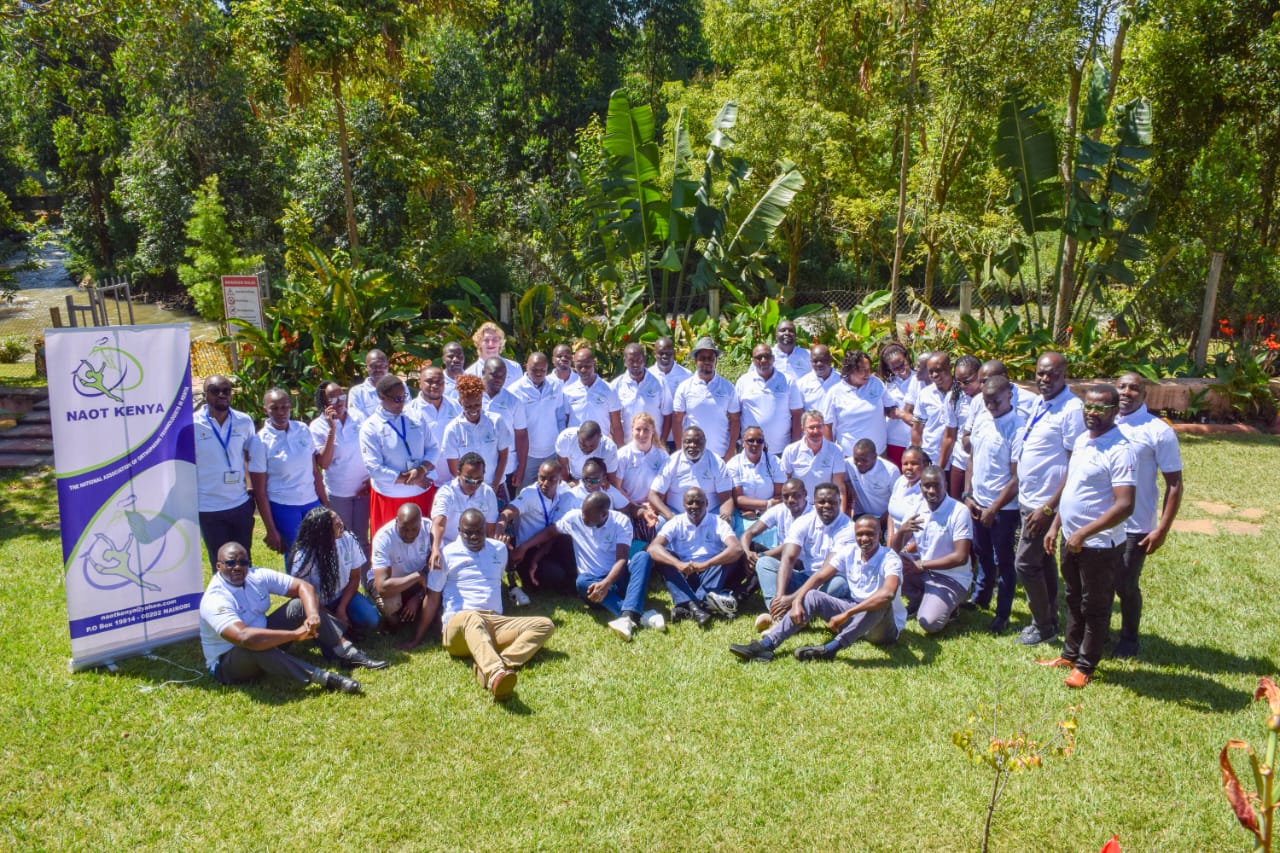
When prescribed and fabricated or chosen well, ATs restore function and dignity. But when chosen poorly, they cause pain, secondary injury, and abandonment, which quietly undermines rehabilitation outcomes. As has been emphasized in discussions on rehabilitation and professional visibility within Kenya’s health system, including those hosted by NAOT Kenya, outcomes matter far more than numbers.
The long-standing debate between custom-made and prefabricated assistive technology devices is often framed incorrectly. The real issue is not which category is “better,” but whether devices are clinically appropriate, professionally prescribed, and contextually applied.
Still, one truth deserves to be stated clearly:
Custom-made assistive technology devices are what most people ultimately need, especially for safe, long-term, and effective rehabilitation.
Of course, this does not mean that prefabricated devices have no role in rehabilitation. They remain appropriate when dispensed correctly and by the right professional.
Custom-Made Assistive Technology: The Clinical Gold Standard
Custom-made AT devices are individually designed following a detailed clinical assessment, typically incorporating anatomy, biomechanics, pathology, lifestyle, terrain, and cultural context. They are adjusted, reviewed, and refined over time as the user’s condition evolves.
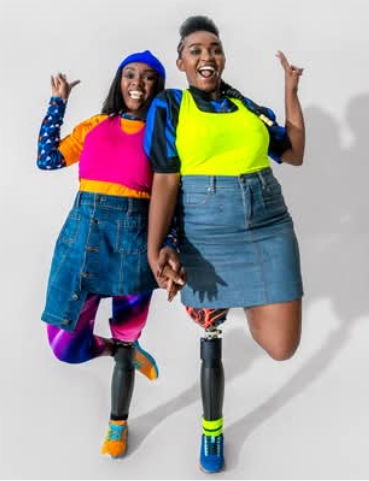
Why Custom Devices Are Preferred in Many Cases
-
Superior Biomechanical Outcomes
Custom devices allow for precise load distribution, joint alignment, pressure relief, and balance control, particularly important in complex or long-term conditions. -
Reduced Risk of Secondary Complications
Poor fit is a leading cause of pressure sores, joint strain, deformity progression, and abnormal gait. Customization minimizes these risks when perfect fit is critical. -
Higher Comfort, Satisfaction, and Long-Term Use
Device abandonment remains a major global problem. Custom devices, especially in cases of anatomical variation or progressive conditions, consistently show better user acceptance. -
Integration Into Rehabilitation Goals
Custom AT is part of a broader care plan. Within the right setups, custom-made ATs are aligned with therapy, recovery timelines, and functional targets, which remains principles echoed in broader conversations about rehabilitation as medicine’s often forgotten stepchild. -
Adaptability Over Time
As conditions change, custom devices can be modified rather than discarded. Modification or device adjustment is an often-overlooked form of cost-effectiveness.
It is agreeable the world over that custom-made devices are what most patients need. However, they sometimes come at higher upfront costs, take more time to produce, and may not look as sleek as their prefabricated counterparts.
Technological advancements are bridging these gaps. Emerging innovations, including 3D-printed custom devices, are reducing traditional costs, shortening turnaround times, and improving aesthetics while maintaining clinical precision.
Thus, custom AT is not about luxury. It is about accuracy, safety, and long-term outcomes.
The Role and the Real Value of Prefabricated Devices
Prefabricated assistive technology devices are mass-produced to fit an assumed “average” body profile. In resource-constrained settings like Kenya and much of Africa, they remain essential and cannot be ignored.
Strengths of Prefabricated Devices
- Immediate availability, reducing delays in care
- Lower upfront cost, improving access
- Appropriate for short-term, acute, or temporary needs
- Useful as trial devices before committing to custom solutions
- Critical in emergency, rural, or low-resource settings
- Sleeker and more polished appearance
Importantly, evidence from multiple systematic reviews and randomized trials (especially for common conditions such as plantar fasciitis or heel pain) shows that well-selected prefabricated foot orthoses can perform comparably to custom devices in short- to medium-term outcomes, particularly for pain reduction and basic function.
In these contexts, prefabs are not inferior; they are appropriate.
Where Prefabricated Devices Fall Short
Problems arise when prefabricated devices are used beyond their intended scope, not properly selected, and not dispensed by a professional, in this case, an orthopaedic technologist. This mirrors broader system gaps discussed in analyses of why orthopaedic technologists remain under-recognized within Kenya’s health system.
Human anatomy varies widely across individuals, occupations, environments, and populations. A standardized device cannot fully account for this diversity.
For example, not all children can use paediatric auxiliary crutches as they are. Even after adjusting the overall height of the crutch, it is always vital to also adjust the handgrip position. This is impossible to achieve if the pair of crutches is issued by a pharmaceutical technologist or a clinician without device-specific expertise.
A Foot Is Not Just a Foot
Consider foot orthoses imported into Africa. Many are designed based on East Asian foot morphology, which on average tends to be:
- Narrower in the forefoot
- Lower in overall volume
- Adapted to different gait patterns and footwear traditions
African populations, on average, show:
- Broader forefeet
- Different arch profiles
- Higher tolerance for load-bearing
- Gait adaptations shaped by terrain and lifestyle
Placing an insole designed for an Asian foot into an African shoe does not simply “fit less well.” It changes biomechanics thus altering pressure points, joint loading, and movement patterns. This can also can worsen pain or contribute to injury over time.
The device is not defective. It is being used outside the population it was designed for. This principle applies equally to braces, orthoses, seating systems, and prosthetic components.
Abandonment: A Silent Indicator of System Failure
Globally, assistive technology abandonment rates range from about 29% overall to as high as 70% for some mass-produced devices.
The most common reasons are not patient behavior but poor fit, inadequate professional assessment, lack of user involvement, changes in condition, and mismatch between device and environment.
Custom devices reduce abandonment in complex cases. But equally important is that well-selected and professionally fitted prefabricated devices can perform adequately for many users.
The deciding factor is not the device category, but professional oversight.
The Reality in Kenya and the Region
In East Africa, the debate is further complicated by access constraints such as:
- Limited numbers of employed professionals
- Centralized services
- High cost of custom fabrication
- Weak supply chains and repair systems
Only a fraction, often 15–25%, of people who need assistive technology in parts of Africa actually access it.
Insisting on custom devices as the default without investing in infrastructure and human resource risks widening inequities. Prefabricated devices therefore remain essential, but must be used wisely.
Regulation, Not Elimination
As a country and as a region, we cannot—and should not—stop the use of prefabricated assistive technology devices. No country has ever done that.
What we can do is mitigate their downsides through:
- Clear clinical guidelines on when prefabs are appropriate
- Quality standards for procurement and importation
- Regulation of who prescribes and dispenses devices (for example, an Assistive Technology Devices Act besides the now long overdue Orthopaedic Technologists Act)
- Outcome monitoring and not just distribution counts
Prefabricated devices should not be sold like consumer products or dished out during roadside political rallies. They should be clinically mediated.
Many outlets for prefabricated devices across Kenya now have orthopaedic technologists at the centre of service delivery, and that should be the case. A good example is Roma Orthopaedic Services Limited in Kakamega town, whose professionalism has led to multiple testimonies of strong clinical outcomes.
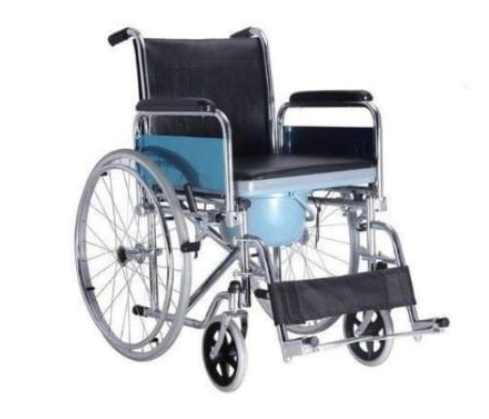
Why Professional Oversight Matters
Custom-made assistive technology devices remain the standard for complex, long-term, or anatomically unique needs. Prefabricated devices, on the other hand, are indispensable tools when used within clear clinical boundaries.
Most assistive devices directly influence biomechanics, posture, gait, and load transfer. This is where orthopaedic technologists and orthotists play a critical, though often invisible, role.
They are better placed to make informed clinical judgments between prefab and custom options. They understand when a prefabricated solution is ideal, when it needs modification, and when a custom option is not just preferable but necessary.
This is not about excluding other rehabilitation professionals. Care is multidisciplinary. But device-based interventions require device-based expertise.
Without it, harm becomes very predictable and not hypothetical.
If rehabilitation is to make it to where it deserves, assistive technology must be treated not as merchandise but as professional medical care. And that means evidence-based selection, professional accountability, and systems that value outcomes over numbers.

More articles by this author
Rehabilitation: Medicine’s Forgotten Stepchild
Rehabilitation remains one of the most neglected pillars of healthcare in Kenya and East Africa. Thi...
The Invisible Professional: Why Orthopaedic Technologists Remain Under-Recognized in Kenya’s Health System
Despite playing a critical role in restoring mobility, dignity, and independence, Orthopaedic Techno...
Comments