My Journey with Neurofibroma, Amputation and Life Beyond
MY JOURNEY WITH NEUROFIBROMA, AMPUTATION AND LIFE BEYOND
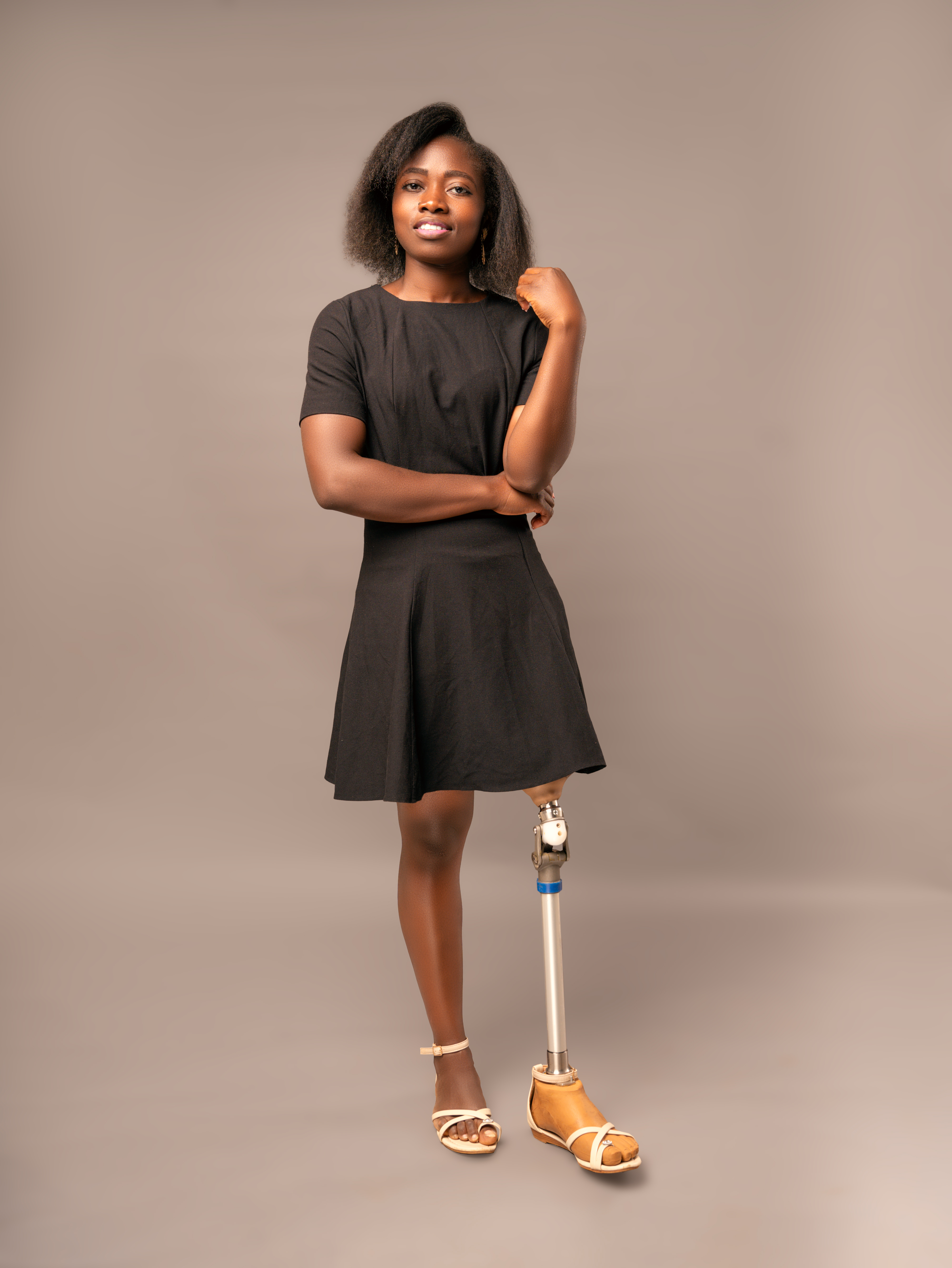
My name is Charity Inyanya. I am an amputee, a digital content creator, and a disability advocate driven by purpose, resilience, and the belief that life does not end when the body changes—it simply takes a new direction. Today, I use my voice, my platform, and my lived experience to challenge perceptions around disability, inspire confidence, and create space for inclusion and opportunity.
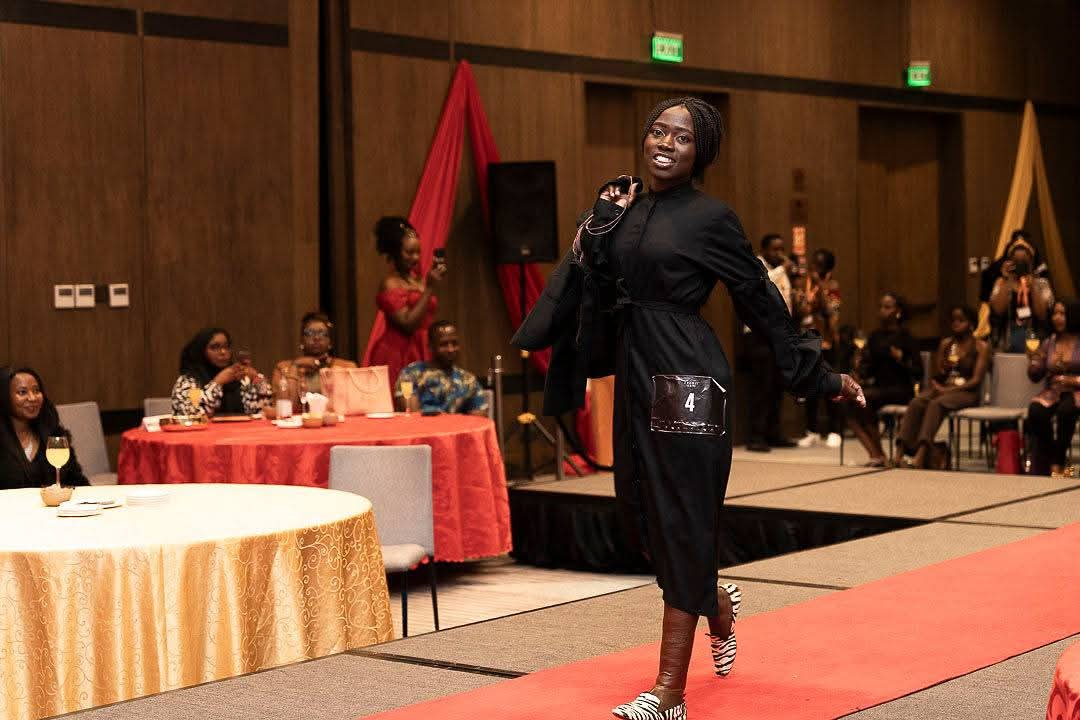
What I do is rooted in storytelling and visibility. Through my journey with a prosthetic leg, I share real experiences of mobility, rehabilitation, learning, unlearning, and growth. I document life as it is—walking, climbing stairs, falling, rising, healing, and thriving—so that others, especially amputees and people living with disabilities, can see what is possible beyond fear and limitation.
But this purpose did not come overnight. It was shaped by years of medical battles, uncertainty, and resilience.
The Diagnosis and Growing Challenge
In 2009, my life took a turn I could never have imagined. I was diagnosed with neurofibroma, a condition that caused an abnormal growth on my leg. That same year, doctors performed a biopsy on the growth. The results came back negative, which initially brought relief. However, despite the results, the growth did not stop. Instead, it continued to increase in size—slowly, relentlessly—until it became massive, almost the size of a small baby’s head.
As the growth enlarged, everyday movement became increasingly difficult. Simple activities required more effort, and pain and discomfort became part of my daily life. In 2010, doctors at Kenyatta National Hospital made the decision to surgically remove the entire growth. Since the biopsy results were negative, the hope was that removing it completely would allow the wound to heal and restore my mobility.
That surgery marked the beginning of one of the hardest chapters of my life.
The wound never healed.
For two long years, I lived in and out of hospital wards. I underwent multiple skin grafting procedures—each time hopeful, each time disappointed. The first skin graft failed. The second one also failed. Despite all efforts, the wound remained open, large, and painful. Hospital visits, dressings, and uncertainty became my new normal.
The Turning Point: Amputation and New Beginning
After sitting for my KCPE exams, while changing my wound dressing one day, I noticed something alarming. The wound had started to change colour—it was turning dark, almost black. When I looked closer, it felt as though the wound had dug so deep that I was looking directly at the bone. That moment filled me with fear. We rushed back to the hospital immediately.
I was admitted on an emergency basis. Several tests were conducted, including an MRI scan. The results suggested that the condition had progressed to cancer. At that point, the doctors explained that the safest and best option to save my life was amputation.
In 2012, I underwent an amputation.
Strangely—and painfully ironic—after struggling with a wound that refused to heal for two full years, the surgical wound from the amputation healed within just one week. The stitches dried and closed quickly. While the bone took longer to fully stabilize, my body responded better than it ever had before. It felt like the end of one painful battle and the beginning of another unfamiliar journey.
Embracing Life with a Prosthesis
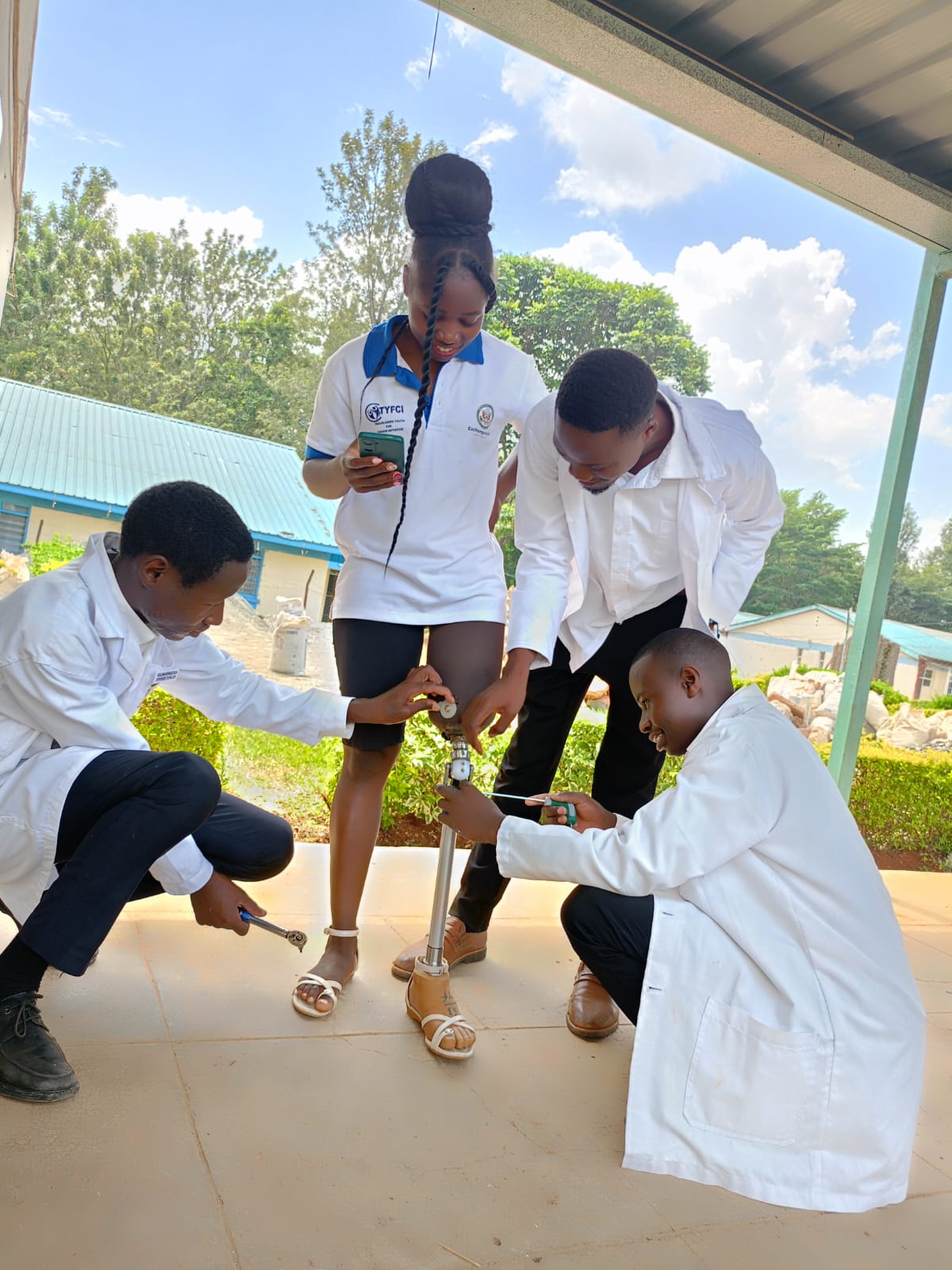
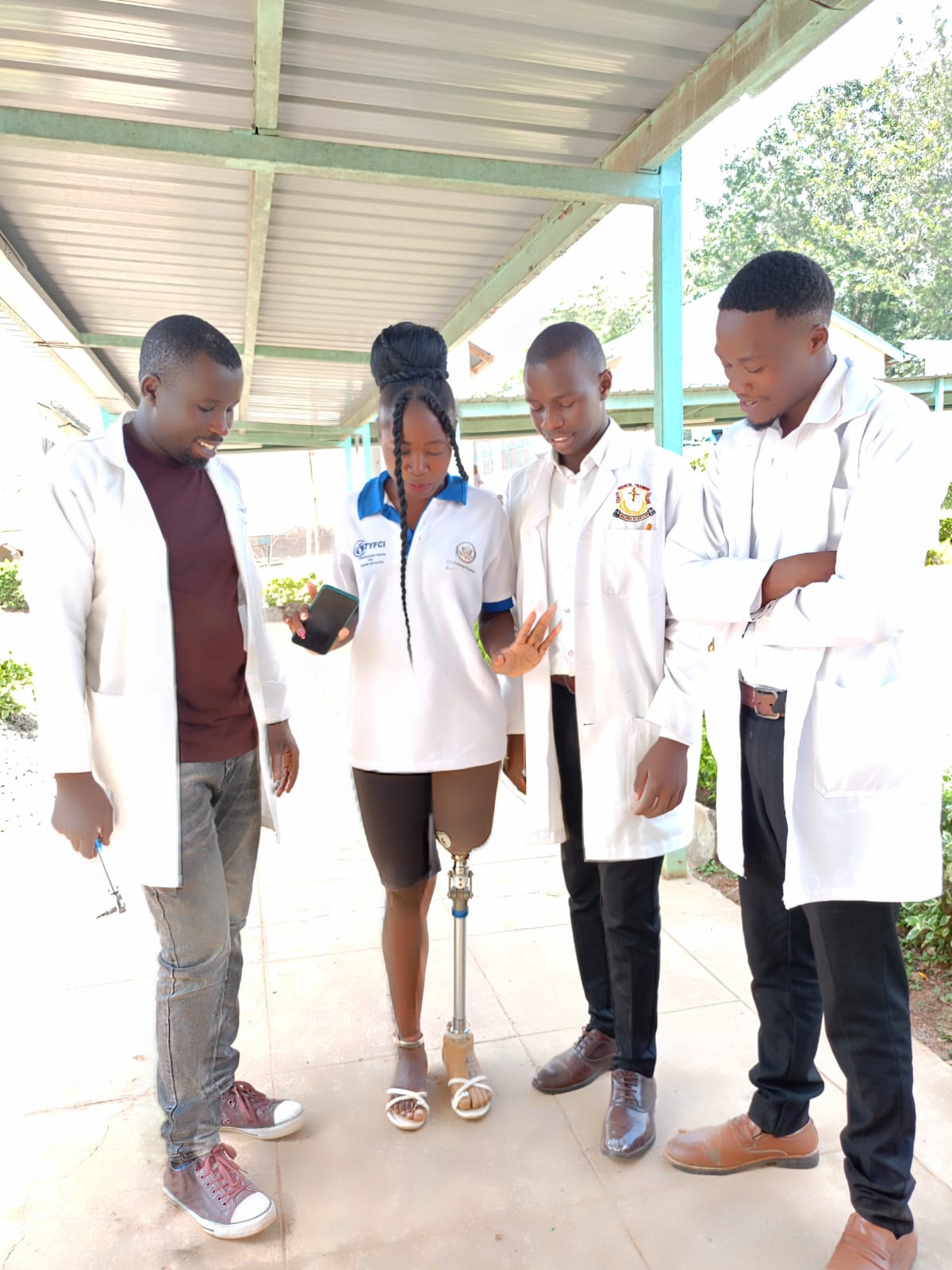
In 2013, I received my first prosthetic leg. Learning to use a prosthesis was not easy. It required patience, physical strength, emotional resilience, and a complete rewiring of how my body and mind worked together. I had to relearn balance, movement, and confidence—step by step. In 2014, I joined high school, walking into a new chapter of life with a prosthetic leg and a determination to keep moving forward.
From 2013 to today, my journey with a prosthesis has spanned many years. It has been challenging, transformative, and deeply educational. I have learned and relearned how to walk, how to fall and rise again, and how to live fully in a body that works differently from before. The prosthesis did not just give me mobility—it gave me independence, dignity, and the courage to reclaim my life.
Looking back, my journey has been marked by pain, perseverance, and progress. From a diagnosis in 2009, to years of non-healing wounds, to amputation, and finally to life with a prosthetic leg, every stage has shaped who I am today. It has taught me resilience, patience, and the power of hope even in the darkest moments.
Moving Forward with Purpose
Today, I stand not just as an amputee, but as a survivor, an advocate, and a woman walking intentionally into her purpose. My experiences have positioned me to speak, create, and collaborate meaningfully in spaces that value inclusion, accessibility, healthcare innovation, and social impact.
I am open to opportunities that align with disability advocacy, content creation, awareness campaigns, brand partnerships, speaking engagements, prosthetics and orthotics initiatives, and community-based programs that empower people living with disabilities. I am especially passionate about working with organizations and brands that believe in restoring mobility, dignity, and confidence.
My prosthesis did not define my limits—it revealed my strength. What once felt like an ending became a beginning. Through resilience, support, and purpose, I continue to move forward, one step at a time, using my story not just as testimony, but as a bridge for impact, awareness, and change.
My Appeal
To every amputee walking this journey, stand tall and hold your head high. Amputation may change the body, but it does not diminish your worth, strength, or future. Your life still carries purpose, dignity, and limitless potential because while the road may be harder, you are not broken and just rebuilding.
The various levels of government, policymakers, partners, and all stakeholders in healthcare and disability inclusion should also acknowledge that rehabilitation is an essential component of healthcare. Prosthetic and orthopaedic technology services remain sparsely distributed, forcing amputees to travel long distances, increasing costs and delays.
This must change. Accessible, affordable, and well-equipped rehabilitation and prosthetic service centres should be available to every amputee, regardless of location or income. Restoring mobility restores independence, livelihoods, and hope. And that is a responsibility we must collectively uphold.
Connect With Me
I share my journey with disability, prosthetics, mobility, and everyday life as it unfolds — the challenges, the wins, and everything in between. If you’d like to follow along or connect with me, you can find me here:
- TikTok: @amputeegirl
- Facebook: Charity Inyanya
- Instagram: @charity_inyanya
Let’s continue this journey together—because disability is not inability, and every step forward is a victory worth celebrating.
Comments